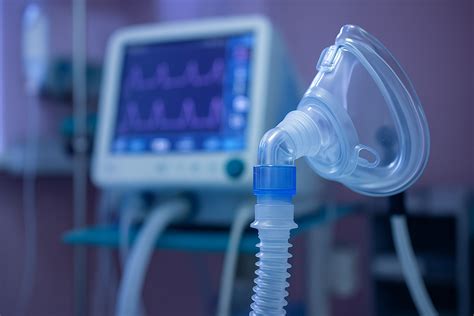
Biocompatibility evaluation of breathing gas pathways in ventilators, anesthesia machines, and other healthcare applications.
ISO 18562 is a series of international standards that specifically address the biocompatibility evaluation of breathing gas pathways in healthcare applications — essentially, it governs the safety testing of medical devices that carry gases to and from a patient's respiratory system.
General biocompatibility standards like ISO 10993 weren't originally designed with gas-pathway-specific risks in mind (like inhaled particulates or vapor-phase chemicals). ISO 18562 fills that gap, focusing specifically on risks relevant to breathing circuits.
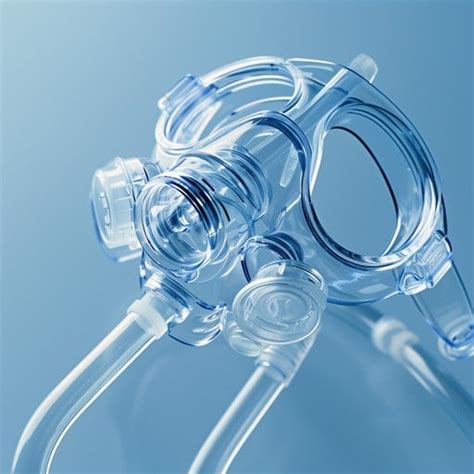
Establishing the overall framework and determining which parts apply to your device.
Testing methods to evaluate particulate matter released into the breathing gas pathway.
Identifying and quantifying volatile organic compounds and their inhalation toxicology.
Evaluating leachable substances in condensate from humidified breathing circuits.
We assess your device's breathing gas pathway to determine which of Parts 2–4 apply.
Pathway materials are tested for particulate matter and volatile organic compound emissions.
For humidified circuits, leachables in condensate are identified and assessed.
Findings are compiled into a risk management conclusion aligned to Part 1.
A determination of which ISO 18562 parts apply to your device.
Documented particulate matter and VOC emissions testing results.
A condensate leachables evaluation for humidified breathing circuits.
A risk-based conclusion ready for your technical documentation.
Talk to our regulatory and scientific experts today.
Assign a Session