
The first step in toxicological assessment — identifying the intrinsic properties of a substance that could pose a risk to patients.
Hazard Identification is the initial step in toxicological assessment, involving a thorough review of the intrinsic properties of a pharmaceutical substance — active ingredients, excipients, or impurities — that could cause adverse health effects.
This includes evaluating existing toxicological data, structure-activity relationships (SAR), literature, and regulatory databases to determine the potential for carcinogenicity, mutagenicity, reproductive toxicity, and other hazards before conducting a full risk assessment.
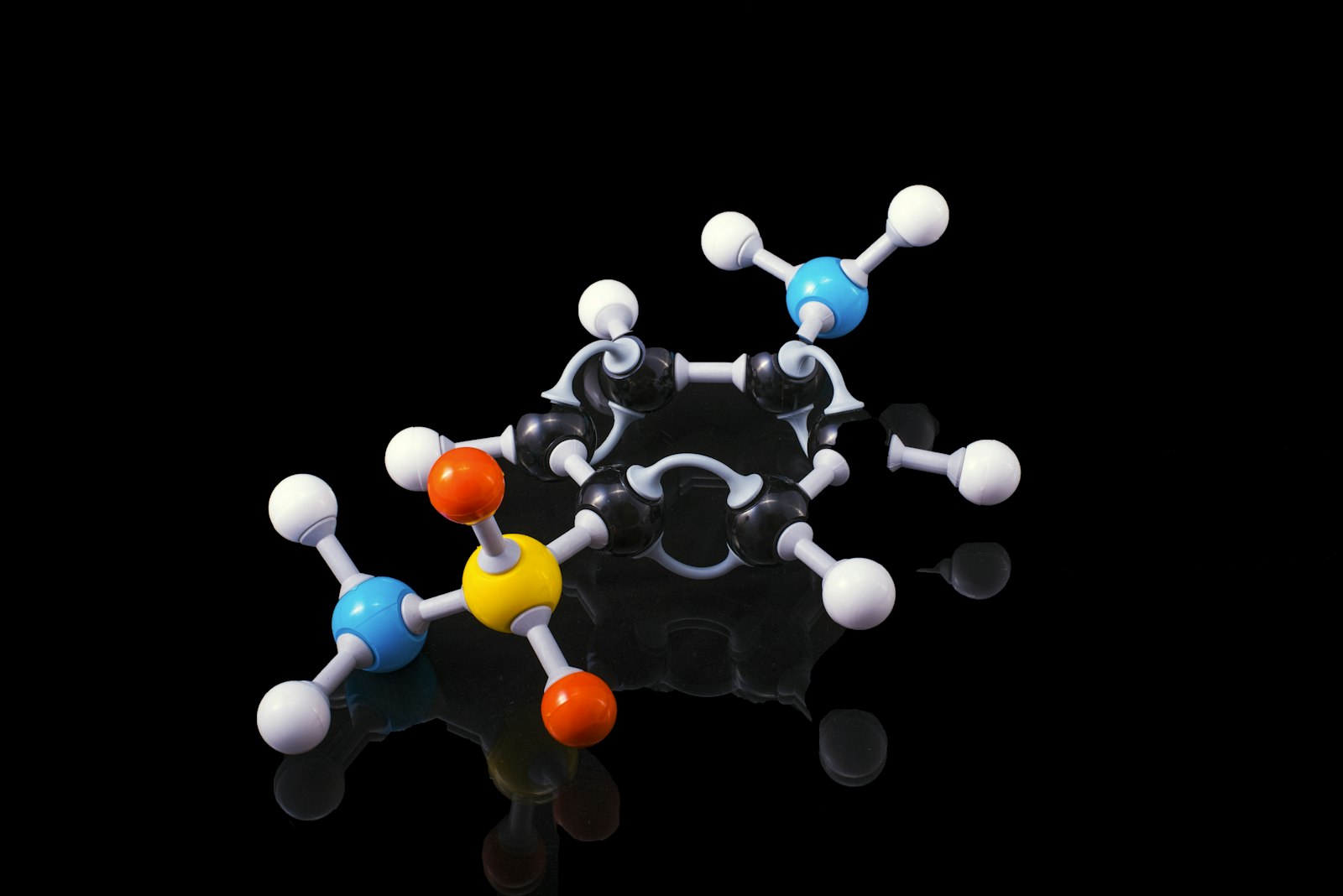
Structure-activity relationship modeling when direct data is limited.
Surfacing existing toxicological data and regulatory precedent.
Evaluating carcinogenic and mutagenic potential.
Cross-checking findings against recognized regulatory databases.
Gathering existing data on the active ingredient, excipient, or impurity.
Structure-activity relationships and published literature are assessed.
Carcinogenicity, mutagenicity, and reproductive toxicity are evaluated.
A documented hazard profile is delivered, ready for exposure assessment.
A documented hazard profile for each substance assessed.
Clear flags for carcinogenic, mutagenic, or reproductive risks.
A foundation ready to feed your Exposure Assessment and TRA.
Direct access to the toxicologist behind the review.
Talk to our regulatory and scientific experts today.
Assign a Session